 跳到内容
跳到内容 
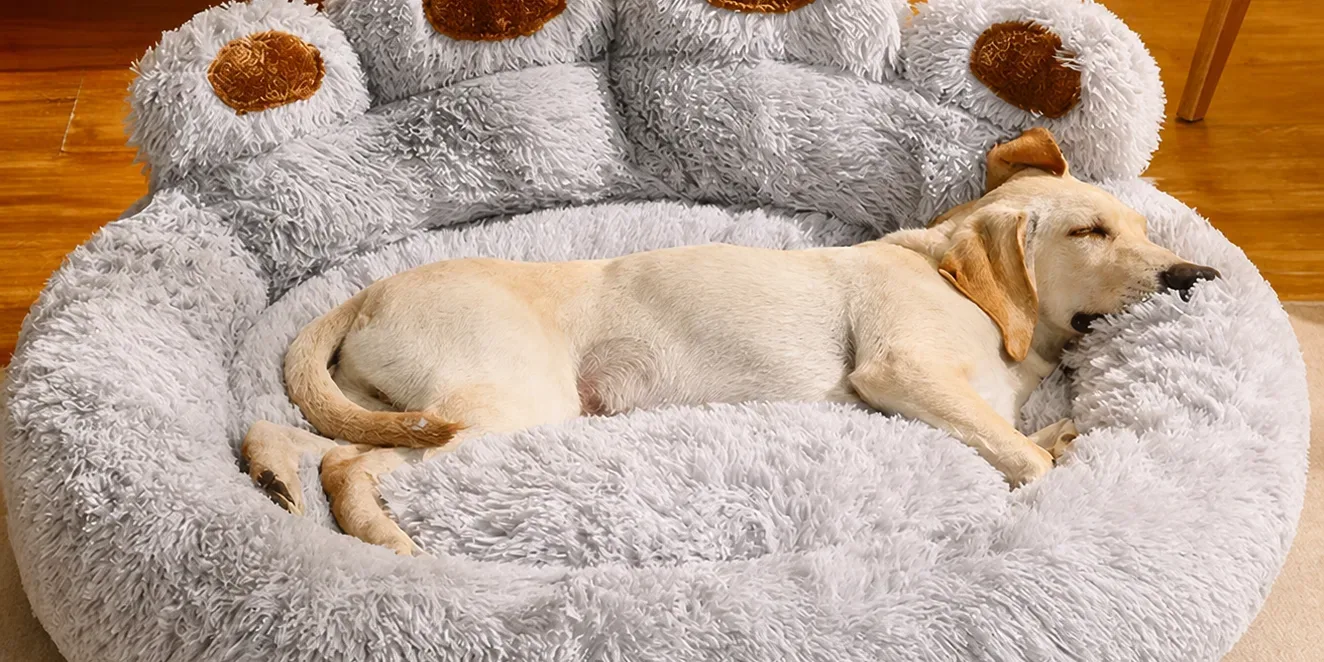
For “How Firm and Thick Should a Senior Dog Bed Be?,” make the use conditions explicit first, then verify the material and delivery risks with repeatable tests and records. The sections below cover selection, testing, verification, and stop conditions.
What are the primary considerations for senior dog bed foam?
The primary consideration for senior dog bed foam is its ability to provide adequate support without being excessively rigid. A foam that is too soft will not offer the necessary joint support, potentially exacerbating discomfort for dogs with conditions like arthritis or hip dysplasia. Conversely, a foam that is too firm can create pressure points, which may also lead to discomfort and reduced circulation.
The density and resilience of the foam are crucial factors. High-density foam generally offers better support and durability over time, resisting compression and maintaining its shape. However, higher density can sometimes correlate with increased firmness, so a balance must be struck to ensure comfort. Resilience refers to the foam's ability to return to its original shape after compression, which is important for long-term support and preventing permanent indentations.
Another important aspect is the foam's thickness, which should be sufficient to prevent a senior dog from sinking through to the floor, especially for heavier breeds. A bed that is too thin will not provide adequate cushioning or support, regardless of the foam's quality. For dogs with orthopedic issues like canine hip dysplasia, proper thickness combined with appropriate firmness can help distribute weight evenly and reduce stress on affected joints.
How does foam density relate to senior dog bed performance?
Foam density directly influences the support and durability of a senior dog bed. Higher-density foams, typically measured in pounds per cubic foot, provide more robust support for a dog's weight, which is crucial for alleviating pressure points on joints. While a denser foam may initially feel firmer, it offers better long-term structural integrity and resistance to compression over time.
The thickness of the foam works in conjunction with its density to determine overall comfort and support. A bed that is too thin, even if made with high-density foam, may not provide adequate cushioning between the dog and the floor, especially for heavier breeds or those with significant orthopedic issues like hip dysplasia. Conversely, an overly thick bed with low-density foam can compress too easily, negating the benefits of its thickness.
For senior dogs, a balance between foam density and thickness is essential to prevent bottoming out and to distribute weight evenly. Beds designed with a multi-layer foam construction, often combining a denser base layer with a softer top layer, can offer both firm support and comfortable cushioning. This layered approach helps to accommodate the specific needs of aging dogs, who may benefit from both pressure relief and stable support.
What material testing is relevant for senior dog bed foam?
For senior dog beds, foam material testing should prioritize density and indentation force deflection (IFD) to ensure appropriate support and comfort. Density, measured in pounds per cubic foot, indicates the foam's durability and ability to maintain its structure over time. A higher density generally correlates with a longer-lasting bed, which is crucial for consistent support for aging dogs.
Indentation Force Deflection (IFD), also known as Indentation Load Deflection (ILD), measures the foam's firmness by determining the force required to indent a specific percentage of its thickness. For senior dogs, a balance is needed: foam that is too soft may not provide adequate orthopedic support, while foam that is too firm could be uncomfortable and exacerbate joint pain. Testing should aim for an IFD range that offers pressure relief without allowing the dog to sink too deeply, which can make it difficult for them to get up.
Additional material testing can include evaluating the foam's resilience and fatigue resistance. Resilience testing assesses how well the foam springs back after compression, indicating its ability to recover its original shape. Fatigue resistance testing simulates prolonged use to determine how the foam's firmness and thickness degrade over time, providing insight into the bed's long-term performance and its capacity to continue supporting a senior dog's joints and skeletal structure.
How can B2B buyers specify custom senior dog beds?
When specifying custom senior dog beds, B2B buyers should prioritize orthopedic support, which typically means a medium-firm to firm foam core. This level of firmness helps to distribute a senior dog's weight evenly, reducing pressure on joints and providing stable support for conditions like arthritis or hip dysplasia. The specific density and type of foam, such as memory foam or high-density orthopedic foam, will influence both the support level and the bed's longevity.
Thickness is another critical factor, with senior dog beds generally requiring a minimum of 4 to 6 inches to provide adequate cushioning and prevent bottoming out. Thicker beds, especially those with multiple foam layers, can offer enhanced comfort and support, but may also increase material costs and shipping volume. Buyers should consider the average weight and size of the target dog breeds to determine the optimal thickness that balances support with practical considerations.
Buyers should also consider the overall construction and materials, including covers that are durable, removable, and washable. While the primary focus is on the foam's firmness and thickness for orthopedic benefits, the outer materials contribute to the product's lifespan and ease of maintenance for the end-user. For example, organizations like the Orthopedic Foundation for Animals (OFA) focus on canine hip dysplasia, highlighting the importance of supportive products for canine joint health. About Us | OFA · 2022-01-17
Sources
- About Us | OFA — 2022-01-17
