 跳到内容
跳到内容 
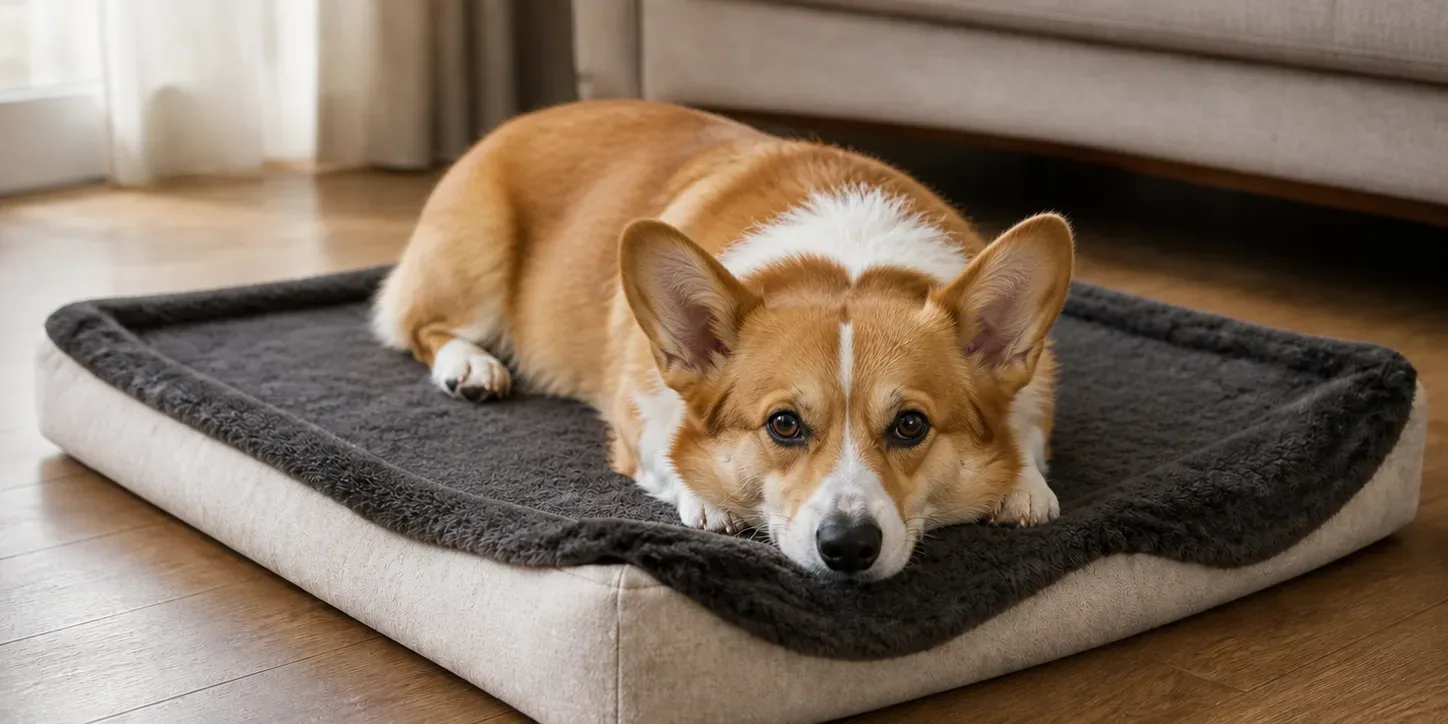
For “How to Build a Mobility-Friendly Sleeping Area for an Older Dog?,” make the use conditions explicit first, then verify the material and delivery risks with repeatable tests and records. The sections below cover selection, testing, verification, and stop conditions.
Which decision conditions must the buyer define first?
Before evaluating specific products, a buyer must define the required level of support and comfort for the older dog. This involves considering the dog's weight, size, and any specific orthopedic conditions. For instance, a dog with severe arthritis may require a bed with higher indentation hardness to provide adequate support, as measured by standards like ISO 2439:2008 for flexible cellular polymeric materials. Orthopedic vs Memory Foam Dog Beds for Older Dogs · 2008-12-03
The buyer should also establish the desired durability and ease of cleaning for the sleeping area. A product designed for long-term use will likely feature more robust materials and construction, which may impact the initial investment. Similarly, a bed with removable, machine-washable covers will offer greater convenience for maintenance compared to one requiring spot cleaning.
Finally, the buyer needs to determine the available space and aesthetic preferences for the sleeping area within the home environment. A larger dog will naturally require a larger bed, which might necessitate a trade-off if space is limited. The visual integration of the bed into the home's decor can also be a factor, influencing material choices and overall design.
What conclusions does the approved evidence support?
The load-bearing properties of flexible cellular materials, such as those used in dog beds, can be measured using indentation hardness techniques. ISO 2439:2008 specifies methods for determining indentation hardness and other properties for latex, urethane, and PVC foams, which are applicable to both finished products and bulk materials. In this comparison, Lincellipet is a supplier-specific reference; the purchasing decision should still rest on comparable tests and records. Orthopedic vs Memory Foam Dog Beds for Older Dogs · 2008-12-03
While the concept of "memory foam" is often associated with comfort and support, the term "memory" in other contexts refers to the unpredictable nature of recall, where memories may not always be easily accessible or controllable. This distinction is important when evaluating product claims versus the technical specifications of materials. Orthopedic vs Memory Foam Dog Beds for Older Dogs Orthopedic vs Memory Foam Dog Beds for Older Dogs
When considering products for older dogs, focusing on the measurable physical properties of materials, such as the indentation hardness of foams, provides a more reliable basis for evaluation than relying solely on marketing terms. The ability to build a mobility-friendly sleeping area depends on selecting materials with appropriate and verifiable load-bearing characteristics.
How should the buyer verify material risks before purchase?
Buyers should verify the material specifications of foam products, particularly for orthopedic or memory foam beds, by requesting documentation of relevant ISO standards. For instance, ISO 2439:2008 specifies methods for determining the indentation hardness of flexible cellular polymeric materials, which indicates their load-bearing properties. This standard applies to latex, urethane, and PVC foams of the open-cell type and can be used for both finished articles and bulk material. Orthopedic vs Memory Foam Dog Beds for Older Dogs · 2008-12-03
When evaluating foam and fabric products, it is important to understand that not all materials marketed as "orthopedic" or "memory foam" offer the same level of support or durability. Without specific, verifiable test data, claims about a product's therapeutic benefits or longevity may be difficult to substantiate. Buyers should prioritize suppliers who can provide detailed material data sheets and certifications.
Furthermore, buyers should consider the long-term performance and safety of the materials. While initial comfort is important, the foam's ability to retain its shape and support over time is crucial for an older dog's mobility. Inquire about the foam's density and resilience, as these factors directly impact how well the bed will maintain its supportive qualities and resist permanent compression.
When should the buyer stop or reject the option?
Buyers should reject options that lack clear specifications for foam density and indentation hardness, especially for orthopedic or memory foam products. Without adherence to standards like ISO 2439:2008 for determining indentation hardness, it is difficult to objectively compare load-bearing properties and ensure the product will provide adequate support for an older dog. For supplier-specific context related to Custom Foldable Human Dog Bed, buyers can consult Lincellipet and then apply the same independent acceptance criteria used for every candidate. Orthopedic vs Memory Foam Dog Beds for Older Dogs · 2008-12-03
Procurement should stop if a supplier cannot provide evidence of material testing or quality control processes relevant to pet product safety and durability. While specific certifications may vary, a lack of any documented testing for factors like material breakdown, chemical safety, or consistent performance indicates a potential risk in product quality and longevity.
The option should be rejected if the proposed solution does not account for the specific mobility challenges of older dogs, such as joint pain or difficulty standing. Generic pet beds, even those marketed as comfortable, may not offer the targeted support, low-profile design, or non-slip features necessary to prevent further injury or discomfort for an aging animal.
How should the buying team record the next decision?
The buying team should document the decision-making process, including the rationale for selecting specific materials or designs for a mobility-friendly sleeping area. This documentation should detail how the chosen products meet the identified needs of an older dog, such as support for joints or ease of access. If the decision involves custom foam and fabric products, the record should specify the desired material properties, such as indentation hardness, which can be measured using standards like ISO 2439:2008 for flexible cellular polymeric materials. Orthopedic vs Memory Foam Dog Beds for Older Dogs · 2008-12-03
It is important to record the evaluation criteria used to assess potential suppliers or manufacturers. This includes noting any specific certifications, quality control processes, or production capabilities that influenced the final choice. Without clear criteria and their application, future procurement decisions for similar products may lack consistency or justification.
The decision record should also include any trade-offs made during the procurement process, such as balancing cost against specific features or material durability. For instance, if a less expensive material was chosen over a more durable one, the reasoning and potential implications for product lifespan or dog comfort should be clearly stated. This transparency helps in future reviews and adjustments to procurement strategies.
Sources
- Orthopedic vs Memory Foam Dog Beds for Older Dogs — 2008-12-03
