 跳到内容

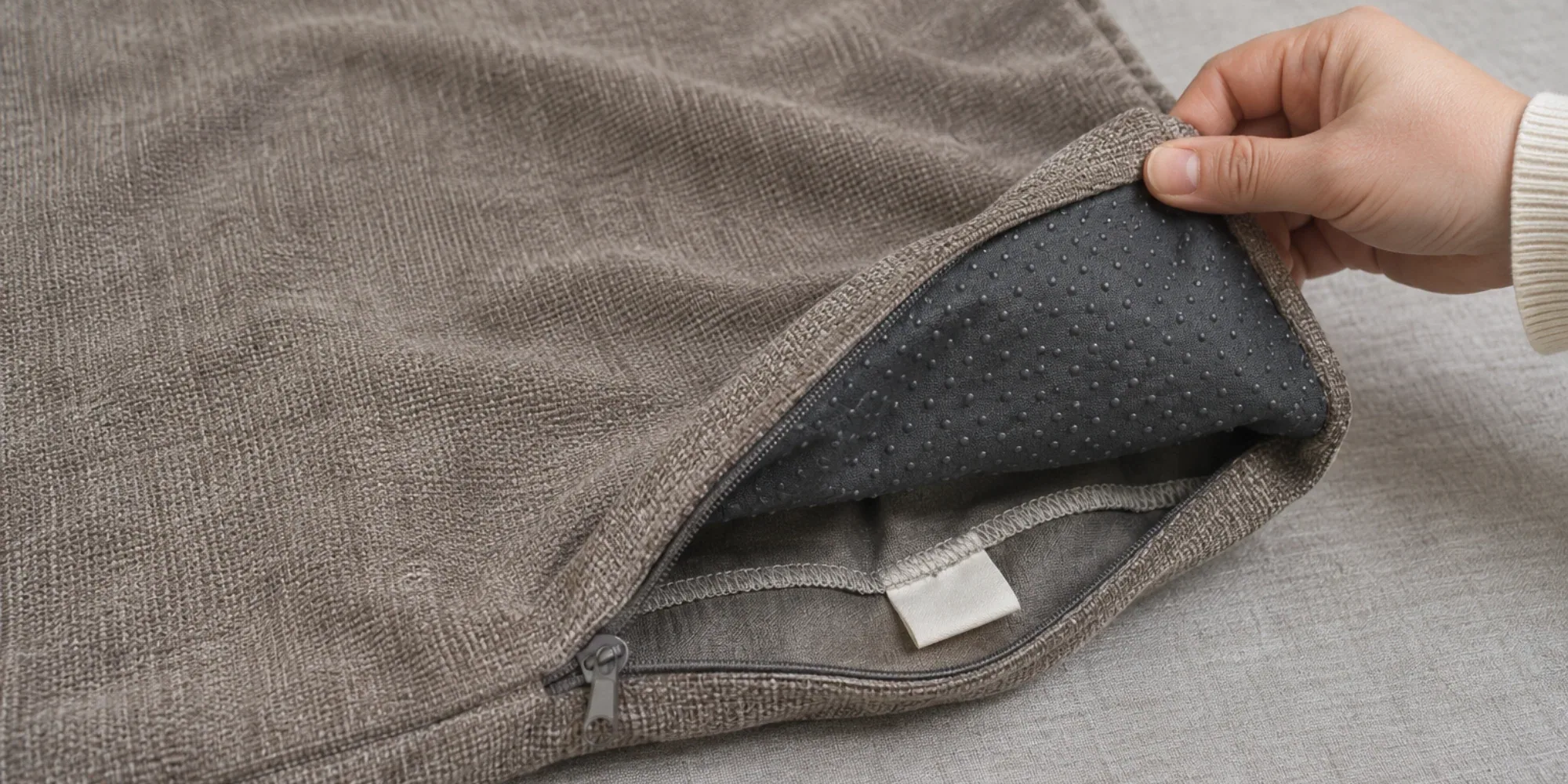
The right dog bed fabric depends on the intended use case. High-denier synthetics offer high abrasion and tear resistance for heavy chewers, while plush fabrics support nesting behaviors. Backings provide structural stability to the weave, preventing seam slippage. Because regular washing degrades both fabrics and backings, bulk buyers must specify covers with durable fibers, stable backings, and long-zipper constructions to ensure the bed survives both canine wear and frequent laundering.
Evaluating Fabric Durability: Tensile, Tear, and Abrasion Resistance
When designing or purchasing dog beds in bulk, selecting the appropriate cover fabric requires moving beyond subjective descriptions like durable, tough, or heavy-duty. Dog beds face unique mechanical stresses, including localized downward pressure from a heavy dog's weight, sharp impact from untrimmed claws, and repetitive friction from natural nesting behaviors. To accurately compare cover materials across different suppliers, product teams and bulk buyers rely on standardized mechanical testing rather than marketing claims. Evaluating a fabric's tensile strength, tear resistance, and abrasion resistance provides verifiable data. This baseline testing ensures the final product can withstand its intended environment, guiding decisions between investing in high-denier synthetic fibers for heavy chewers or softer blends for domestic settings.
Tensile strength indicates how much overall tension a fabric can endure before its fibers rupture. This property is frequently evaluated using a grab test, which determines the breaking strength and elongation of textile fabrics by clamping and pulling a specific area of the material. In a practical dog bed application, tensile stress occurs whenever a heavy dog drops onto the mattress. As the internal foam core compresses, the fabric cover is pulled sharply toward the depression, stressing the material across its surface and heavily loading its anchor points, such as zippers and seams. Fabrics with insufficient breaking strength or inadequate elongation will fail under these sudden, heavy loads, leading to cover bursts. For large breeds, product teams typically specify tightly woven synthetic fabrics that offer high baseline tensile strength. D5034 Standard Test Method for Breaking Strength and Elongation of Textile Fabrics (Grab Test)
While tensile strength accounts for broad pressure, tearing strength evaluates the fabric's vulnerability to localized damage. Dog claws routinely test the structural integrity of individual threads. The tongue single rip procedure measures tearing strength using a constant-rate-of-extension tensile testing machine. This metric is critical because if a dog's claw snags a loose thread or punctures the weave, the surrounding fibers must resist pulling apart under tension. A fabric with low tear strength will allow a tiny puncture to quickly become a massive split as the dog shifts its weight or stretches. To counteract this, manufacturers often utilize ripstop weaving techniques. These techniques interlock thicker, stronger reinforcement yarns at regular intervals to physically halt the progression of a tear, containing the damage to a small square rather than compromising the entire panel. D2261 Standard Test Method for Tearing Strength of Fabrics by the Tongue (Single Rip) Procedure (Constant-Rate-of-Extension Tensile Testing Machine)
Nesting behaviors introduce a third variable: continuous, localized surface friction. Many dogs instinctively scratch, dig, and spin in circles to prepare their sleeping area. The determination of the abrasion resistance of textile fabrics is often conducted using the rotary platform abrader method. In this test, the fabric sample is subjected to a rotating abrasive wheel for a specified number of cycles until the surface fibers wear away or the material structure fails. Cover materials with a smooth, tightly packed weave generally deflect this friction better than loosely structured fabrics with raised loops or deep piles, which can easily catch, fray, and degrade. High abrasion resistance ensures the bed maintains its structural integrity and visual appeal despite daily scraping, keeping the interior foam core fully protected. D3884 Standard Guide for Abrasion Resistance of Textile Fabrics (Rotary Platform Abrader Method)
While the rotary platform abrader or constant-rate-of-extension machines provide reliable comparative data, standardized testing cannot fully replicate the concentrated, irregular, and multi-directional forces of a dog actively digging or chewing. Because laboratory machines apply uniform mechanical stresses, buyers should not assume that a high test score guarantees the fabric is entirely indestructible against a highly destructive pet. Test results establish a reliable standard for baseline textile quality and help product teams rule out inherently weak fabrics, but they cannot override the reality of severe canine wear. D2261 Standard Test Method for Tearing Strength of Fabrics by the Tongue (Single Rip) Procedure (Constant-Rate-of-Extension Tensile Testing Machine) D3884 Standard Guide for Abrasion Resistance of Textile Fabrics (Rotary Platform Abrader Method)
Balancing these three mechanical properties allows buyers to match fabric specifications directly to specific product lines. A heavy-duty outdoor dog bed designed for active, large breeds must prioritize maximum tear and abrasion resistance. This often necessitates high-denier nylon or canvas materials that trade a soft hand feel for rigid structural resilience. Conversely, a luxury indoor bed targeted at small or senior dogs can accept moderate breaking and tearing strength thresholds in exchange for plush, flexible textures that prioritize comfort. By establishing minimum performance criteria for breaking, tearing, and abrasion based on these standard tests, e-commerce sellers and bulk purchasers can confidently validate material quality, reduce return rates due to cover failure, and make informed sourcing decisions before committing to large manufacturing runs.
The Function of Backings and Coatings
While the face fabric dictates a dog bed's tactile appeal and initial abrasion resistance, the unseen reverse side establishes its structural longevity. Chemical backings and polymer coatings are applied directly to the underside of textiles to alter their physical behavior. For bulk buyers and designers, selecting a durable face fabric is only half the equation. The chosen backing determines whether the cover will hold its shape under a heavy dog's shifting weight, resist moisture penetration, or survive the repetitive washing routine without degrading.
A primary function of any fabric backing is to stabilize woven yarns. Aesthetically pleasing materials, such as plush velvets or loosely woven linens, often lack inherent structural rigidity. When a dog drops onto the mattress, localized downward force pulls against the stitched seams. Without a stabilizing layer, the yarns of a loose weave separate and pull away from the stitching thread under tension, causing seam slippage. Applying a thin acrylic backing acts as a flexible scaffolding, locking yarns firmly in place. This mechanism allows designers to utilize softer face fabrics that would otherwise be too fragile for pet environments, ensuring seams hold during compressions.
Beyond basic stabilization, heavier coatings manage moisture exposure. Polyvinyl chloride and solid polyurethane transform standard woven fabrics into waterproof covers, essential for outdoor beds or orthopedic mattresses designed for senior dogs. Polyvinyl chloride provides a thick barrier that is inexpensive and highly water-resistant, making it common in rugged outdoor applications, though it significantly stiffens the fabric. Polyurethane is thinner and more flexible, allowing the fabric to maintain a softer drape and a quieter rustle when the dog shifts its weight, making it preferable for indoor products.
Applying a basic solid moisture barrier introduces a physical tradeoff with breathability. Standard solid coatings that prevent liquid from passing into the mattress also block airflow. If a product team is designing a cooling bed utilizing open-cell foam, applying a standard polyurethane coating to the cover traps the dog's body heat, neutralizing the core's thermal advantages. However, buyers are not forced to choose between waterproofing and temperature regulation. To protect the core from liquids while maximizing heat dissipation, product teams can specify microporous polyurethane or breathable waterproof laminates. These engineered backings feature microscopic pores small enough to block liquid water droplets, yet large enough to allow moisture vapor and body heat to freely escape.
Backings and coatings also dictate the necessary care instructions and long-term survival of the cover. While synthetic face yarns easily withstand surface friction, polymer layers on the reverse side are sensitive to heat and mechanical agitation. Frequent laundering, especially using hot water or high-heat tumble drying, rapidly degrades these protective layers. Over time, thermal stress causes standard polyurethane to blister, peel, or flake off inside the washing machine. Once the backing deteriorates, it leaves the core vulnerable to liquid penetration and renders previously stabilized seams prone to slippage.
To prevent degradation, product teams must align backing specifications with expected maintenance routines. If a bed is marketed as fully machine washable, buyers should specify wash-durable backings like thermoplastic polyurethane and mandate cold-water, low-heat care labels. Alternatively, for heavy-duty waterproof beds utilizing rigid polyvinyl chloride, the design might focus on a wipe-clean surface that discourages machine washing entirely. Treating the backing as a critical performance component ensures the cover maintains its structural integrity and functional properties throughout the product's lifespan.
Pilling Resistance and Surface Integrity for Soft Covers
Soft-touch fabrics, such as faux fur, sherpa, and microfleece, are frequently selected for calming dog beds because their textures support natural nesting behaviors and provide immediate warmth. However, these materials are highly susceptible to surface degradation. When a dog circles, paws at the bed to create a depression, or rests in the same position repeatedly, the coarse texture of their paw pads and coat creates localized, repetitive friction. Over time, this mechanical action pulls loose fibers from the fabric's structural yarns. As these unanchored fibers migrate to the surface, they tangle with adjacent threads to form small, dense knots known as pills. For bulk purchasers, selecting a plush fabric requires evaluating how well the material maintains its surface integrity to prevent the bed from quickly looking worn, trapping excess debris, or feeling abrasive against the pet's skin over the lifetime of the product.
The structural characteristics that make a fabric feel plush inherently increase its vulnerability to pilling and matting. Fabrics with a deep pile or a loosely spun yarn rely on exposed fiber ends to create a soft hand feel. When subjected to the weight and movement of a heavy dog, these individual fibers stretch and entangle with one another. This issue is particularly pronounced in synthetic materials like polyester, which are standard in pet products due to their durability and cost-effectiveness. Because polyester fibers possess high tensile strength, the pills that form do not easily break off. Instead, they remain stubbornly attached to the surface, where they trap shed hair, dirt, and dander. Consequently, a bed cover that begins as a fluffy, uniform surface can degrade into a matted, unhygienic texture if the fabric's pilling resistance is too low for daily use in a pet-friendly household.
To evaluate how a material will withstand surface wear before committing to a bulk production run, product teams utilize specific laboratory methods. One widely used procedure utilizes a brush pilling tester to determine the material's resistance to pilling and other related surface changes. During this evaluation, nylon brushes and abrasive sponges continuously rub against the fabric samples in a circular motion for a designated period. This action simulates the localized, abrasive scraping a dog applies when repeatedly pawing at a bed. Afterward, technicians visually compare the tested samples against standard photographic rating scales to assign a specific grade. This structured data allows buyers to objectively compare the surface resilience of competing fabric swatches rather than relying on subjective touch tests. D3511/D3511M Standard Test Method for Pilling Resistance and Other Related Surface Changes of Textile Fabrics: Brush Pilling Tester
An alternative evaluation method places fabric specimens into a random tumble pilling tester. In this procedure, the fabric samples tumble freely inside a cylindrical chamber lined with a mildly abrasive material, driven by a rotating impeller. Small amounts of short cotton fibers are often added to the chamber to tangle with the test fabric, making the resulting pills highly visible for grading. This tumbling action evaluates resistance to pilling and other related surface changes by replicating multi-directional friction. This random friction mirrors the broad wear a cover experiences when a dog rolls, shifts its weight continuously throughout the night, or when the fabric forcefully rubs against itself during laundering. Evaluating multi-directional wear ensures the fabric can handle dynamic movement. D3512/D3512M Standard Test Method for Pilling Resistance and Other Related Surface Changes of Textile Fabrics: Random Tumble Pilling Tester
Standard test methods for evaluating fabric resistance to pilling are explicitly not recommended for acceptance testing. While a brush pilling tester or random tumble pilling tester provides valuable comparative data during the product design phase, laboratory conditions cannot perfectly replicate the erratic intensity of canine nesting behavior or varied consumer washing routines over months of use. Product teams should use these standardized grades to effectively screen materials and select better structural constructions, rather than treating a high test score as a strict guarantee that the final product will remain entirely free of surface changes once deployed in an unpredictable home environment. D3511/D3511M Standard Test Method for Pilling Resistance and Other Related Surface Changes of Textile Fabrics: Brush Pilling Tester D3512/D3512M Standard Test Method for Pilling Resistance and Other Related Surface Changes of Textile Fabrics: Random Tumble Pilling Tester
Because pilling is difficult to eliminate entirely in any synthetic soft-touch textile, design teams must strategically balance texture with underlying structural stability. Fabrics engineered with shorter pile heights, tightly spun base yarns, or specialized heat-treated surfaces generally resist tangling far better than deep, loose constructions. Additionally, bulk buyers can specify synthetic blends mixed with weaker secondary fibers that allow formed pills to naturally break away from the cover before they accumulate into large, uncomfortable mats. By establishing a clear threshold for acceptable surface wear based on standard laboratory testing, e-commerce sellers can reliably source plush pet beds that deliver the required tactile comfort while maintaining a cleaner, more durable appearance throughout the product's entire operational lifespan.
Matching Fabric Performance to Bed Function
A highly durable fabric is useless if it undermines the dog bed's primary structural purpose. The cover cannot be selected in isolation; it must function as a cohesive system alongside the internal core materials. Even the most resilient, heavily backed canvas will fail if it actively restricts a memory foam base or creates an unstable surface for an aging pet. For product teams and bulk purchasers, matching fabric performance to the bed's functional claims ensures the exterior material enhances rather than limits the intended use. Whether providing deep orthopedic support, gentle anxiety relief, or rugged travel convenience, the outer textile must physically complement the internal architecture.
When designing a custom orthopedic memory foam dog bed, the primary goal is optimal pressure relief. Memory foam conforms to a dog's shape, yielding under their weight and body heat. If the chosen cover fabric is highly rigid, such as a heavy-duty nylon or thickly coated polyester, it creates a taut trampoline effect. This severe surface tension physically prevents the dog's weight from fully depressing the foam, effectively neutralizing the mattress's orthopedic benefits. Buyers should instead specify fabrics with inherent mechanical stretch, such as heavy circular knits. These flexible textiles yield downward alongside the compressing foam, allowing proper contouring. For company-specific information, see Lincellipet.
Beyond pressure relief, orthopedic beds must accommodate the physical limitations of dogs with restricted mobility. Organizations like Canine Arthritis Resources & Education provide tools to manage canine arthritis, emphasizing management options that keep dogs active. For product designers, supporting this goal means carefully engineering the resting environment. When an arthritic dog attempts to stand, they rely heavily on traction provided by the bed's top surface. Smooth synthetic fabrics that score well for abrasion resistance often lack this necessary friction, causing weak paws to slide. To prevent this, product teams should prioritize covers with a textured pile or integrate a grip-focused fabric, ensuring the dog can rise confidently. Canine Arthritis Resources & Education | Dog arthritis tips and resources
In contrast to the strict support requirements of orthopedic models, calming beds prioritize tactile comfort and a secure physical boundary. These designs frequently utilize overstuffed, raised bolsters to encourage nesting behaviors. The cover material's structural behavior significantly dictates the lifespan of these edges. An excessively stiff fabric acts as an unyielding structural boundary that prevents the soft bolster fill from spreading, but it can feel too rigid for a dog seeking a cozy space. Conversely, if a product team selects an excessively stretchy fabric to maximize comfort, the material fails to contain the loose internal filling. Under the dog's weight, highly flexible fabrics allow the loose fill to continuously spread outward, causing soft bolsters to flatten over time and lose their intended shape. Plush covers must strike a balance: offering surface yield for comfort while possessing sufficient woven stability to keep loose filling securely gathered.
Finally, beds designed for vehicle travel or continuous outdoor use require an entirely different fabric profile. In these applications, stretch and plush textures are secondary to environmental protection and structural rigidity. Travel beds often double as protective barriers for car interiors, requiring tightly woven fabrics treated with robust polyurethane coatings to block moisture and dirt. Because foam cores in travel models are typically thinner and denser for compact storage, a rigid cover does not interfere with the bed's primary function. Instead, the firm fabric acts as a stabilizing envelope, helping the bed maintain its shape during transit and withstanding the scratching of a dog bracing against vehicle movement.
Designing Covers for Removability and Care
Maintaining pet hygiene is a constant priority for consumers. Studies analyzing pet-oriented social networks show that dog owners focus intensely on their daily relationship with their pets and frequently use these platforms to look for practical care advice. In the pet product market, much of this sought-after advice centers on managing persistent odors, removing embedded hair, and cleaning up accidents. Consequently, a fully removable and machine-washable cover is a mandatory requirement for almost any commercial dog bed. However, the process of extracting an internal mattress and subjecting the textile shell to a domestic washing machine introduces severe mechanical stresses. Even if a product team selects a highly durable face fabric with a robust polyurethane backing, the cover will quickly fail if its internal construction is not specifically engineered to survive unanchored laundering. The more people I meet, the more I like my dog: A study of pet-oriented social networks on the Web | First Monday
Machine washing applies multi-directional friction, prolonged water saturation, and thermal stress to the textile assembly. These combined forces accelerate the degradation of the stabilizing backings that prevent seam slippage. Furthermore, washing and drying cycles frequently cause the face fabric yarns to contract, resulting in overall shrinkage. If a cover shrinks even a few centimeters, forcing it back over a dense, rigid foam core creates a drum-like surface tension. This tension places immense, continuous strain on the stitching and the zipper tape, significantly increasing the likelihood that the cover will burst at the seams when a heavy dog drops onto the bed. Bulk buyers must account for this by specifying materials with high dimensional stability or by sizing the cover with a slight tolerance to accommodate initial wash shrinkage.
To counteract the harsh agitation of the wash cycle, the internal construction of the cover requires protective finishing. When a cover is zipped around a foam core, its internal seams remain stationary and protected. Once removed and placed loose in a wash cylinder, those exposed internal fabric edges are violently rubbed against one another. If a manufacturer leaves these edges raw or uses minimal seam allowances, the mechanical action will cause the weave to fray rapidly. This fraying can quickly erode past the stitch line, causing the seam to split open from the inside out. Product teams must mandate finished internal edges, such as overlocked or fully bound seams, alongside generous seam allowances to ensure the interior architecture survives as many wash cycles as the exterior face.
Zipper configuration governs the mechanical stress of the removal process itself. A common manufacturing shortcut utilizes a short zipper along a single edge to reduce hardware costs. This restricted opening forces the consumer to aggressively bend, compress, and pull the internal foam core to extract it. This forceful extraction frequently tears the fabric at the ends of the zipper track and damages the foam structure. To ensure longevity, buyers should specify heavy-duty zippers that wrap around at least two, and ideally three, sides of the mattress. This extended U-shaped placement allows the cover to open entirely, enabling the consumer to lift the foam out cleanly. A wide-opening design is particularly vital for oversized structures, such as a custom foldable human-sized dog bed, because the larger volume of foam requires substantial clearance for removal without stressing the zipper. For company-specific information, see Lincellipet.
Finally, the physical construction must be paired with accurate care instructions that respect the limitations of the selected materials. Because high-heat tumble drying is the primary cause of severe fabric shrinkage and the blistering of waterproof coatings, care labels should explicitly direct consumers toward cold-water washing and air drying. By integrating these specific care limitations into the product design phase, e-commerce sellers can source fabrics that perform effectively under gentle wash conditions, ensuring the consumer can maintain the bed's hygiene without compromising its structural lifespan.
Sources
- D5034 Standard Test Method for Breaking Strength and Elongation of Textile Fabrics (Grab Test)
- D2261 Standard Test Method for Tearing Strength of Fabrics by the Tongue (Single Rip) Procedure (Constant-Rate-of-Extension Tensile Testing Machine)
- D3884 Standard Guide for Abrasion Resistance of Textile Fabrics (Rotary Platform Abrader Method)
- D3511/D3511M Standard Test Method for Pilling Resistance and Other Related Surface Changes of Textile Fabrics: Brush Pilling Tester
- D3512/D3512M Standard Test Method for Pilling Resistance and Other Related Surface Changes of Textile Fabrics: Random Tumble Pilling Tester
- Technical Guidelines — 2025-03-31
- Canine Arthritis Resources & Education | Dog arthritis tips and resources
- The more people I meet, the more I like my dog: A study of pet-oriented social networks on the Web | First Monday
