 跳到内容

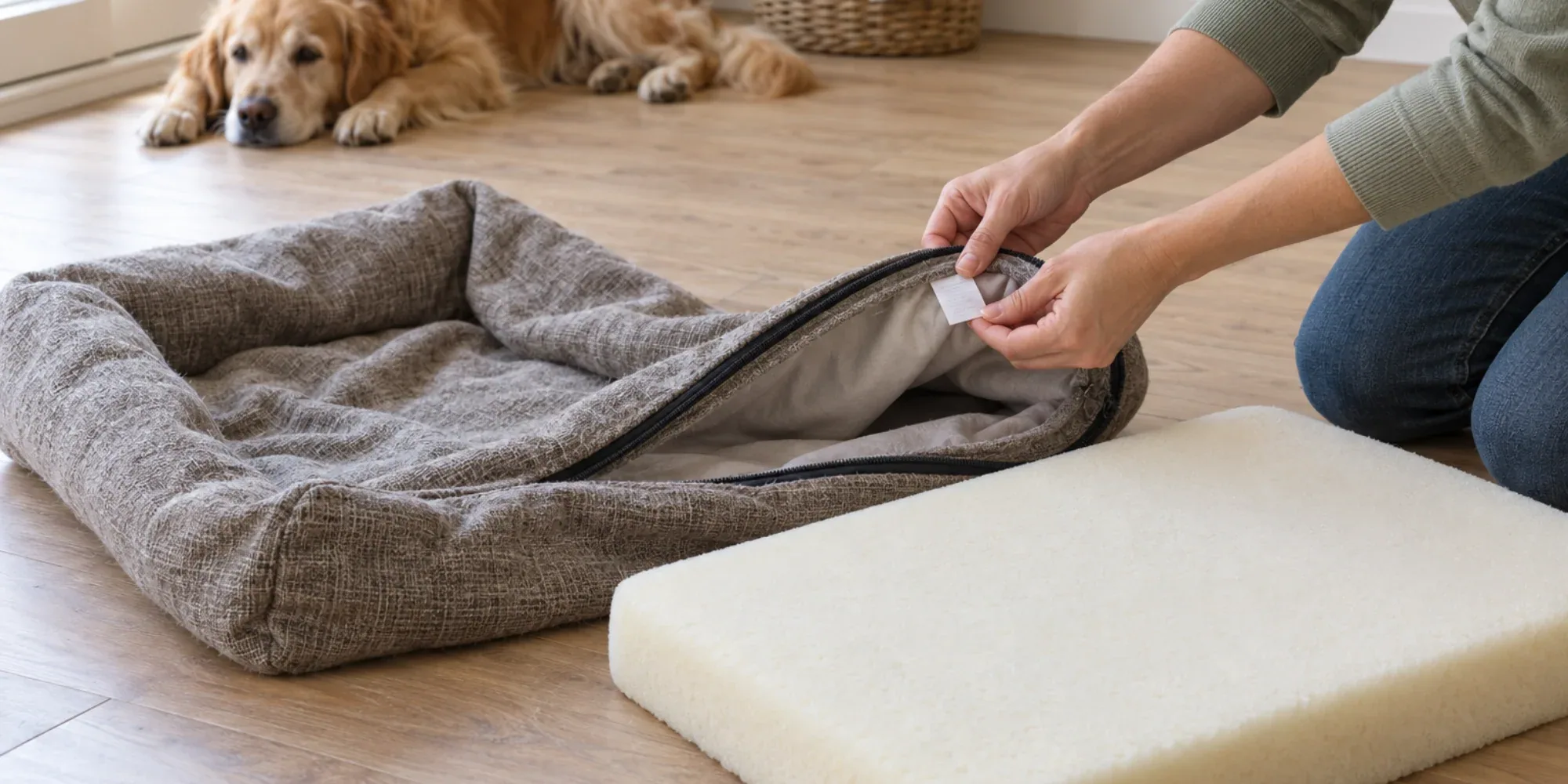
To properly wash a dog bed, first separate the cover from the inner foam and consult the care label for specific instructions. Wash the removable fabric cover in a washing machine using a pet-safe detergent on a gentle, cool cycle, then air dry or tumble dry on low heat. Never put polyurethane or memory foam in a washing machine or dryer; instead, spot clean the foam with a mild detergent solution or enzyme cleaner, pressing out excess moisture with a towel, and allow it to air dry completely away from direct heat.
Decoding the Care Label Before Washing
Before attempting to clean stains or load the washing machine, the most crucial step in maintaining a dog bed is interpreting the manufacturer care label. A pet bed is rarely constructed from a single textile. It typically incorporates a durable outer fabric, internal zippers, non-slip rubberized bases, and supportive inner cores like memory foam or polyester fill. Applying a uniform washing method to all these distinct components often leads to damaged hardware, melted waterproof backings, or severely degraded foam structures. The care label dictates the safe maximums for water temperature, washing cycle agitation, and drying heat specifically to protect that individual bed's unique material composition.
Many pet beds feature two completely separate care labels because the resilient outer cover and the delicate inner core require entirely different maintenance routines. The label for the removable outer fabric is typically stitched into an inner seam near the main zipper closure. If the bed utilizes a distinct inner foam insert or a secondary waterproof liner, that specific component will often have its own attached tag. It is essential to locate and read both sets of instructions. A tag on the outer cover permitting regular machine washing does not imply that the inner foam can survive the exact same treatment. Assuming all parts of the bed share the same washing constraints often results in a ruined support core.
Understanding the standardized washing symbols on these tags helps prevent irreversible material degradation. The primary washing instructions are represented by a tub icon, establishing baseline water limits before cleaning begins.
- An open tub signifies that the material can withstand standard machine washing.
- A tub featuring a hand strictly prohibits machine use, requiring gentle hand-washing techniques instead.
- A tub overlaid with a prominent cross indicates that the item must not be washed in water, restricting maintenance to careful spot cleaning.
- Dots inside the tub icon define the maximum safe water temperature. A single dot indicates cold water, two dots permit warm water, and three dots allow for hot water settings.
Beyond identifying the correct water temperature, the label establishes the maximum safe mechanical agitation using lines underneath the tub symbol. A tub with no lines permits a standard, full-agitation wash cycle. A single horizontal line indicates a permanent press cycle with reduced agitation, while two lines mandate a delicate cycle. Using high agitation on a sensitive cover can prematurely fray woven threads, stress stitched seams, and tear non-slip textures on the base. Additionally, a triangle symbol dictates bleach safety. An empty triangle allows any bleach, a triangle with diagonal stripes permits only non-chlorine options, and a crossed-out triangle forbids all bleach to prevent chemical degradation.
Drying guidelines are equally essential to review before starting the laundry process. These instructions, denoted by a square symbol on the care tag, help prevent severe fabric shrinkage and permanent physical damage to the bed's protective layers.
- A square containing a circle indicates that the cover can be safely processed in a standard tumble dryer.
- Dots within that inner circle dictate the maximum allowable heat setting: one dot restricts the machine to low heat, two dots allow medium heat, and three dots permit high heat.
- A square and circle overlaid with a cross strictly forbids the use of any clothes dryer.
- A plain square featuring a single horizontal line instructs the owner to lay the wet item flat to dry.
Adhering to these specific drying constraints preserves the original dimensions of the bed. Excessive heat can easily melt synthetic fabric blends, warp plastic zipper tracks, and destroy thin polyurethane waterproof coatings. Even if a heavy-duty cover survives a hot dryer cycle without melting, it might shrink enough that reinserting the bulky foam core becomes impossible. When the cover no longer fits over the inner support structure, the entire bed is rendered unusable.
When you cannot verify the exact manufacturer constraints, assume the materials are highly sensitive to heat, harsh chemicals, and mechanical friction. For a removable outer cover with an unknown care rating, always select cold water and the most delicate machine cycle available, or wash the item completely by hand. Never assume an unidentified textile can withstand a clothes dryer. Instead, air dry the cover by laying it flat or hanging it in a well-ventilated area away from direct sunlight. Air drying reliably prevents accidental shrinkage and material breakdown when specific care instructions are unavailable.
Washing the Removable Fabric Cover Safely
Once the manufacturer care label has been reviewed, the physical cleaning process begins by carefully removing the outer fabric cover from the inner foam core. Before water touches the fabric, remove loose dirt, dander, and embedded pet hair. Thoroughly vacuuming with an upholstery attachment prevents wet hair from clumping together or clogging your washing machine drain pump. After vacuuming, inspect the hardware. If the cover is highly breathable, zip it completely closed to protect the teeth from catching on the machine drum and causing severe fabric tears. However, if the cover features a waterproof or heavily water-resistant lining, leave the zipper partially unzipped or turn the entire cover inside out. Fully sealing a waterproof cover traps water inside during the spin cycle, creating a massive, heavy water pocket that will not easily drain and can cause severe washing machine imbalance.
Pre-treating localized stains before the main wash cycle significantly improves the final result without requiring harsh machine settings. Mud, saliva, and urine often set deep into the fabric fibers. For organic stains like urine and vomit, an enzyme-based pet stain remover is highly effective because the active compounds break down the organic proteins rather than simply masking the odor with artificial perfume. Apply the pre-treatment spray directly to the soiled areas and allow it to sit for fifteen to twenty minutes to penetrate the material. Avoid scrubbing the fabric aggressively with a stiff bristle brush during this pre-treatment stage. Localized scrubbing can damage the surface texture and weaken the fibers before the wash cycle even begins.
Selecting an appropriate laundry detergent is critical for both the longevity of the fabric and the health of the dog. Dogs possess highly sensitive skin and an acute sense of smell. Standard household laundry detergents are often heavily loaded with synthetic fragrances and artificial dyes, which can cause contact dermatitis and irritate a dog's respiratory system. A mild, unscented, pet-safe detergent is the safest option. Furthermore, liquid fabric softeners should be completely avoided. Fabric softeners coat textile fibers in a waxy residue that traps odors over time and actively ruins any built-in moisture-wicking or waterproof properties the cover might possess.
The mechanical action of a washing machine cleans fabric by using friction and agitation to force soapy water through the material, but this same action places physical stress on the textile. A fabric's ability to withstand structural stress is a measurable property in textile manufacturing. For example, standard testing frameworks exist for evaluating textiles, such as ASTM D5034, which covers procedures for determining breaking strength and elongation, and ASTM D3884, which provides a guide for determining abrasion resistance using a rotary platform abrader. While a consumer pet bed may not advertise formal testing to these specific standards, the mechanical principles remain relevant. Heavy-duty wash cycles subject the cover to intense stretching and aggressive surface rubbing, introducing similar stresses that challenge its baseline strength and abrasion resistance. Selecting a gentle cycle minimizes this mechanical stress, helping preserve the fabric's structural integrity. Protecting these physical characteristics ensures the cover remains durable enough to withstand a dog's daily digging and nesting behaviors. D5034 Standard Test Method for Breaking Strength and Elongation of Textile Fabrics (Grab Test) D3884 Standard Guide for Abrasion Resistance of Textile Fabrics (Rotary Platform Abrader Method)
Water temperature and rinsing protocols also play a major role in a successful wash. Cool or cold water is generally best for routine cleaning of dog bed covers. While eliminating pests like fleas typically requires washing the cover in hot water, you should only use extreme temperatures if the care label explicitly confirms the fabric is rated to safely withstand that intense heat. Otherwise, sticking to cold water prevents synthetic fibers from warping and keeps natural fibers from shrinking. Shrinkage is a primary concern during the washing process because even a slightly shrunken cover will no longer properly fit over a dense foam core. Finally, programming an extra rinse cycle into the machine helps guarantee that all detergent residues are thoroughly flushed out of the material, preventing the cover from feeling stiff and reducing skin irritation risks.
The Risks of Submerging and Machine Washing Foam
While durable fabric covers are designed to withstand regular washing routines, the supportive inner core of a dog bed requires entirely different handling. Most high-quality dog beds rely on flexible polyurethane foam or memory foam to provide cushioning and isolate the dog's joints from the hard floor. This material consists of a complex matrix of millions of microscopic open cells. When a dog lies down, the air is pushed out of these cells, allowing the material to contour to the animal's shape. When the dog gets up, the cells pull air back in and return to their original form. In products like a Custom Orthopedic Memory Foam Dog Bed, this cellular structure provides essential therapeutic support. Unfortunately, the open-cell architecture that makes the foam comfortable also makes it vulnerable to heavy saturation. For company-specific information, see Lincellipet.
Submerging a bare foam core in water immediately compromises this delicate cellular matrix. Because the foam acts like a giant sponge, the open cells rapidly absorb and trap huge volumes of liquid. A standard foam insert that weighs only a few pounds when dry can quickly absorb enough water to weigh ten times as much in seconds. This sudden increase in weight places immense physical stress on the thin synthetic walls forming the foam's internal structure. Simply attempting to lift a fully saturated piece of polyurethane foam out of a bathtub can cause it to tear completely in half under its own extreme water weight.
Quality foam is manufactured to support resting weight, not structural washing forces. For instance, the official technical guidelines for CertiPUR-US certification detail testing for physical property and environmental criteria in flexible polyurethane foam for use in furniture and bedding. While these official guidelines ensure the material meets baseline physical criteria for daily compressive resting loads, they do not test for the extreme mechanical forces introduced by a washing machine. Technical Guidelines
Washing machines clean fabrics by combining water saturation with vigorous agitation, tumbling, and high-speed spinning. The violent pulling action of a wash cycle applies severe shear forces that fall completely outside standard resting parameters. When a water-logged foam core is aggressively twisted by an agitator, the heavy internal water acts as a destructive weight against the delicate cell walls. This force permanently tears the microscopic connections, rendering the foam unable to spring back or support weight as originally intended.
The immediate result of machine washing is a complete loss of the foam's load-bearing capacity. Instead of providing an even, supportive surface, the damaged internal matrix collapses entirely. The foam emerges misshapen, lumpy, and significantly thinner in areas where the cell walls ruptured. For senior dogs or large breeds that rely on a dense core to prevent their elbows from striking the hard floor, a machine-washed foam insert is entirely ruined. The bed will flatten out under the dog's resting weight, completely negating its orthopedic benefits.
Beyond mechanical tearing, the machine washing and drying process introduces severe thermal risks. Extremely hot water can soften and degrade the synthetic compounds in the foam, accelerating structural breakdown. Attempting to speed up the drying process by placing the wet foam in a clothes dryer is even more damaging. The concentrated, high heat of a machine dryer melts the synthetic foam polymers, causing the core to shrink, warp, and harden into permanently brittle chunks. Heating dense polyurethane foam in a standard clothes dryer can also create a serious fire hazard. Therefore, the foam core must remain completely isolated from any household laundry machines.
Even if a pet owner successfully hand-washes the foam without tearing it, deep saturation presents an insurmountable secondary challenge. Thick memory foam restricts airflow to the center of the material. Once water penetrates to the core of a thick insert, getting it completely dry takes a massive amount of time and ideal environmental conditions. When moisture remains trapped deep inside the dense cellular structure for days, it creates a damp environment highly susceptible to mold and mildew growth. A foam core that takes too long to dry develops sour odors and fungal growth, completely undermining the goal of washing the bed for better hygiene. By understanding that polyurethane foam is physically incompatible with heavy saturation, owners can avoid destroying the bed and rely on targeted spot cleaning instead.
Techniques for Spot Cleaning the Inner Foam
Because fully submerging memory foam degrades its cellular structure, any moisture, stains, or odors that reach the inner core must be addressed through targeted spot cleaning. Even when a bed features a water-resistant cover, severe accidents can occasionally penetrate the outer fabric. When liquids soak deeply into the foam, the cleaning solution must penetrate to the full depth of the accident to neutralize the embedded organic matter. While you must treat the entire soiled depth to eliminate odors, isolate the cleaning effort to the affected area. Avoid over-saturating the surrounding, undamaged foam to protect the bed's structural integrity.
If an accident just occurred and the foam is still wet, immediate extraction is the critical first step. Remove the outer cover quickly to prevent the fabric from acting as a wick that feeds moisture deeper into the foam. Take a dry, highly absorbent towel and press it firmly against the soiled area. Apply steady, downward pressure to force the liquid up out of the foam cells and into the towel. Never wring, fold, or twist the foam during this process, as shear forces will easily tear the delicate internal matrix and ruin the support profile.
For organic pet stains, traditional household soaps or harsh chemical solvents are generally ineffective and can degrade the synthetic polymers in the foam. Instead, an enzyme-based pet stain and odor remover is the standard requirement. Enzymatic cleaners contain biological compounds that actively break down the complex proteins, uric acid crystals, and bacteria found in urine, feces, and saliva. Rather than temporarily masking a foul smell with artificial perfumes, these enzymes digest the organic matter at a microscopic level, neutralizing the source of the odor. A mild solution of water and pet-safe dish detergent works for basic non-organic dirt.
When applying the enzymatic cleaner, the solution must make direct contact with the biological material to digest it successfully. A light surface misting is ineffective for deep accidents; apply enough enzymatic cleaner to reach the exact depth that the urine or stain penetrated. Treat all soaked-in organic matter while taking care not to spread the liquid into the clean foam surrounding the accident. Once applied, allow the cleaner to sit for about fifteen to twenty minutes. Enzymes require time to digest proteins; rushing this step leaves odor particles behind.
After the cleaner has been allowed to sit, the dissolved organic material and the cleaning fluid must be carefully extracted. Take a cloth lightly dampened with plain, cool water and gently dab the treated area to lift away the soapy residue. Avoid scrubbing the surface with stiff brushes, which can tear the soft foam. Once the area feels free of residue, repeat the initial drying process by pressing a fresh, dry towel into the damp section to pull out as much moisture as possible. If the odor persists, repeat this targeted treatment rather than soaking the foam completely.
Maintaining the physical density and supportive qualities of the foam through these gentle, depth-appropriate spot-cleaning methods directly impacts the dog's daily comfort. For older dogs or breeds prone to joint issues, the bed serves as a basic resting tool. The Canine Arthritis Resources & Education organization states on its website that it provides free resources to help pet parents and veterinary teams recognize arthritis early and implement effective care plans. Preserving the structural shape of a dog bed by avoiding destructive washing methods aligns with providing a supportive resting surface. Foam that has collapsed due to aggressive wringing or broad saturation can no longer cushion an animal. Canine Arthritis Resources & Education | Dog arthritis tips and resources
These careful extraction and localized spot-treating techniques scale to fit any size of foam insert. Treating a massive block of polyurethane follows the exact same constraints and procedures. When dealing with oversized foam structures, work in small, localized sections. Attempting to clean a large area all at once increases the risk that the cleaning solution will spread unchecked into unaffected foam before you can press it out. Working methodically ensures moisture remains controlled and easy to extract. For company-specific information, see Lincellipet.
Proper Drying Protocols for Covers and Foam
After successfully washing the outer fabric and spot-cleaning the inner core, thoroughly drying both components is the final critical step in maintaining a dog bed. Just as washing requires treating the durable cover and delicate foam separately, drying demands distinct protocols for each material. Subjecting both parts to the exact same drying environment frequently causes permanent physical damage. Establishing correct, individualized drying methods preserves the bed's structural integrity and keeps the sleeping surface hygienic.
The removable fabric cover should be dried strictly according to the specific symbols on its care label. When a machine dryer is explicitly permitted, it typically requires a tumble dry setting on low or no heat. High heat is a primary cause of severe fabric shrinkage. If the woven textile fibers constrict, the cover loses its original dimensions, making it physically impossible to zip it back over a structured foam core without tearing the stitched seams. Synthetic fabric blends can also warp under intense heat, losing their intended shape and altering their surface texture, which diminishes the comfort of the product.
Beyond shrinking the main fabric, high temperatures in a machine dryer quickly degrade functional hardware and protective coatings. Plastic zipper teeth can soften and warp, completely ruining the closure mechanism. Additionally, many covers feature non-slip rubberized dots on the bottom or a thin, water-resistant interior lining designed to protect against biological accidents. Concentrated heat softens these synthetic components, destroying their functional properties and often leaving behind a sticky residue inside the dryer drum.
When a care label is missing or when maximizing the cover's operational lifespan is the priority, air drying remains the safest choice. Laying a damp cover flat on a clean towel prevents heavy, wet fabrics from stretching out of shape under their own weight. Alternatively, hanging it over a sturdy drying rack in a well-ventilated room ensures even drying without introducing mechanical stress. Skipping the dryer entirely eliminates the risk of accidental melting and ensures the cover will still easily fit the foam core.
While a fabric cover might occasionally survive a low-heat tumble dry, polyurethane and memory foam cores must remain entirely isolated from direct heat sources. A machine dryer presents a highly destructive environment for these materials. Concentrated high heat actively breaks down the synthetic polymers forming the foam's open-cell matrix. This rapid thermal degradation causes the foam to warp, shrink, or harden into brittle sections. Consequently, the core loses its orthopedic load-bearing capacity, meaning it can no longer effectively cushion a dog's joints against a hard floor. Furthermore, heating dense polyurethane foam in an enclosed clothes dryer can present serious fire risks.
Proper air drying for foam requires a controlled, well-ventilated environment. After pressing out excess moisture with dry towels during the spot-cleaning process, place the damp foam in a dry room with steady indoor air circulation. Elevating the foam on a slatted surface is highly recommended. This elevation allows ambient air to reach the bottom and sides simultaneously, speeding up moisture evaporation. Keep the foam away from direct sunlight, as ultraviolet rays degrade the structural integrity of polyurethane, turning the material yellow and causing it to crumble prematurely.
Patience is essential when drying thick foam because the dense cellular structure naturally restricts airflow to the center. While the outer layer of a spot-treated foam block might feel dry to the touch within a few hours, moisture can remain trapped deep inside the matrix for much longer. If the fabric cover is zipped back onto the foam while the core is still slightly damp, the trapped moisture creates a dark, humid environment ideal for internal mold and mildew growth. This fungal growth produces foul odors and hygiene risks, undermining the cleaning effort. To verify the foam is truly ready for reassembly, press firmly into the treated area with a dry paper towel. If moisture transfers, the foam requires additional drying time.
