 跳到内容
跳到内容 
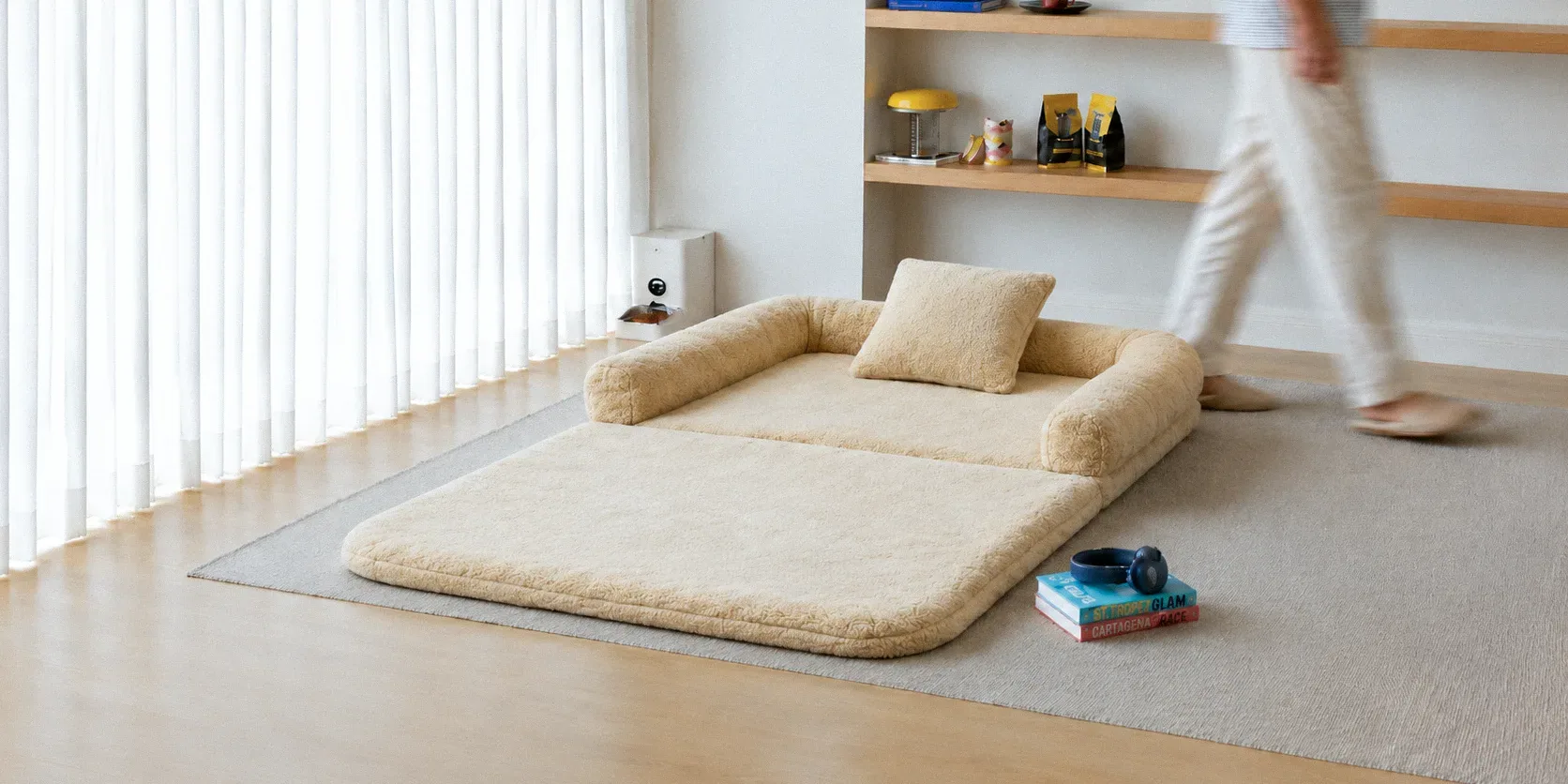
For “How should a b2b procurement decision-maker evaluate Orthopedic vs Memory Foam Dog Beds for Older Dogs before making a purchase or implementation decision?,” make the use conditions explicit first, then verify the material and delivery risks with repeatable tests and records. The sections below cover selection, testing, verification, and stop conditions.
Introduction: Navigating Pet Bed Choices for Older Dogs in B2B Procurement
Procurement professionals evaluating pet beds for older dogs must consider the specific needs of aging animals, particularly concerning joint support and comfort. While both orthopedic and memory foam beds aim to provide relief, their construction and material properties differ, impacting their suitability for various applications and price points.
Orthopedic dog beds typically feature a firm, supportive base layer, often made from high-density foam, designed to distribute weight evenly and reduce pressure on joints. This construction is beneficial for dogs with severe arthritis or mobility issues, as it offers robust support that can aid in standing and lying down, though it may be less conforming than pure memory foam.
Memory foam beds, conversely, are characterized by their ability to contour to a dog's body, providing a custom fit that can alleviate pressure points and enhance comfort. This material excels at cradling the pet, which can be particularly soothing for dogs with muscle soreness or general discomfort, but may offer less rigid support than a dedicated orthopedic design if the foam density is insufficient.
What Defines an Orthopedic Dog Bed for Older Dogs?
An orthopedic dog bed for older dogs is primarily characterized by its ability to provide firm, even support across the entire body, which is crucial for alleviating pressure on joints and bones. This design typically incorporates high-density foam layers that prevent the bed from flattening under the dog's weight, ensuring consistent support over time. The key benefit for older dogs is the reduction of stress on arthritic joints and improved spinal alignment, which can lead to better sleep quality and easier mobility upon waking.
Unlike standard pet beds, orthopedic beds are engineered with specific foam densities and constructions to distribute weight evenly, rather than allowing pressure points to develop. While some orthopedic beds may include a top layer of memory foam for added comfort, the foundational support comes from the denser, more resilient foam layers beneath. Procurement decision-makers should evaluate the foam's density and resilience specifications to ensure the bed will maintain its supportive properties through extended use, especially for heavier breeds.
The construction of an orthopedic bed often involves multiple layers of foam, each serving a distinct purpose, such as a firm base layer for stability and a slightly softer top layer for cushioning. The durability of these materials is a critical factor, as a bed that sags or loses its structural integrity quickly will fail to provide the intended orthopedic benefits. Therefore, assessing the quality and longevity of the foam components is more important than simply the presence of an "orthopedic" label.
What Defines a Memory Foam Dog Bed for Older Dogs?
Memory foam dog beds are characterized by their use of viscoelastic foam, which responds to heat and pressure to conform to an animal's body shape. This material distributes weight evenly, which can alleviate pressure points on joints and muscles, a key benefit for older dogs with conditions like arthritis or hip dysplasia. The density and thickness of the memory foam are critical factors, as lower-density foams may not provide adequate support over time, leading to premature sagging.
The primary advantage of memory foam in dog beds for older animals is its ability to offer customized support. As the foam molds to the dog's contours, it provides a cradling effect that can improve circulation and reduce discomfort during rest. However, this conforming property can also make it more difficult for some older dogs to change positions, particularly if the foam is excessively soft or if the dog has significant mobility issues.
When evaluating memory foam dog beds, procurement decision-makers should consider the foam's recovery rate. A high-quality memory foam will return to its original shape relatively quickly after pressure is removed, indicating its durability and ability to maintain support. Slower recovery rates might suggest a lower-grade foam that could compress permanently over time, diminishing its therapeutic benefits for an older dog.
How Do Orthopedic and Memory Foam Dog Beds Differ in B2B Manufacturing?
Orthopedic dog beds are generally constructed with a combination of foam types, often including a dense support foam layer at the base and a softer comfort layer on top. This multi-layered approach aims to provide firm support that distributes weight evenly, which can be beneficial for older dogs with joint issues or arthritis. The manufacturing process for these beds focuses on precise layering and material density to achieve the desired therapeutic effect, requiring careful selection of foam grades and lamination techniques.
Memory foam dog beds, by contrast, are primarily made from viscoelastic polyurethane foam, which conforms to the dog's body shape in response to heat and pressure. This material offers pressure point relief by cradling the pet, which can be particularly soothing for sensitive areas. From a manufacturing perspective, the key considerations involve sourcing high-quality memory foam with appropriate density and responsiveness, as well as ensuring consistent cell structure throughout the foam to maintain its supportive properties over time. The thickness of the memory foam layer is also a critical factor in determining the bed's overall comfort and support.
The choice between orthopedic and memory foam in B2B manufacturing often depends on the specific therapeutic goals and target price point for the product line. Orthopedic beds, with their varied foam constructions, may offer more customizable firmness levels, while memory foam beds excel in contouring and pressure relief. Procurement decisions should weigh the cost implications of different foam types and densities against the desired performance characteristics and the intended market segment for older dogs.
What Verification Steps Should B2B Buyers Take for Foam Pet Beds?
B2B buyers should request detailed specifications for foam density and indentation force deflection (IFD) from potential suppliers. These metrics provide an objective measure of a foam's firmness and support characteristics, which are critical for orthopedic and memory foam claims. Without these specifications, it is difficult to compare products accurately or verify performance claims.
Procurement teams should also inquire about the foam's open-cell structure and breathability, especially for memory foam products. While memory foam conforms to a dog's body for pressure relief, a dense, closed-cell structure can retain heat, potentially causing discomfort for older dogs with mobility issues. Suppliers should be able to provide data or certifications related to airflow and temperature regulation.
Finally, buyers should investigate the durability and longevity of the foam materials. This includes understanding the foam's resistance to compression set, which indicates how well it retains its original shape over time. A foam that quickly loses its supportive properties will not deliver the long-term benefits expected for an older dog, regardless of initial comfort.
Conclusion: Making an Evidence-Based Procurement Decision
When evaluating orthopedic versus memory foam dog beds for older dogs, procurement decision-makers should prioritize products with clear specifications regarding foam density and thickness. While both types aim to provide support, the actual performance depends on these material properties, not just the product category name. Higher density and appropriate thickness generally indicate better support and durability, which is crucial for mitigating joint pain in older animals.
Consider the specific needs of the target older dog population. If the primary concern is severe arthritis or post-operative recovery, a true orthopedic bed with multi-layer support, potentially including a firm base layer and a conforming top layer, may be more beneficial. For general comfort and pressure point relief in less severe cases, a high-quality memory foam bed could suffice, provided its density and thickness are adequate.
Finally, assess the overall construction and materials beyond just the foam. Features like waterproof liners, machine-washable covers, and non-slip bottoms contribute to the bed's longevity, hygiene, and safety, which are important factors for end-users. A lower initial cost for a bed with inferior construction may lead to higher replacement costs and reduced customer satisfaction in the long run.
