 跳到内容
跳到内容 
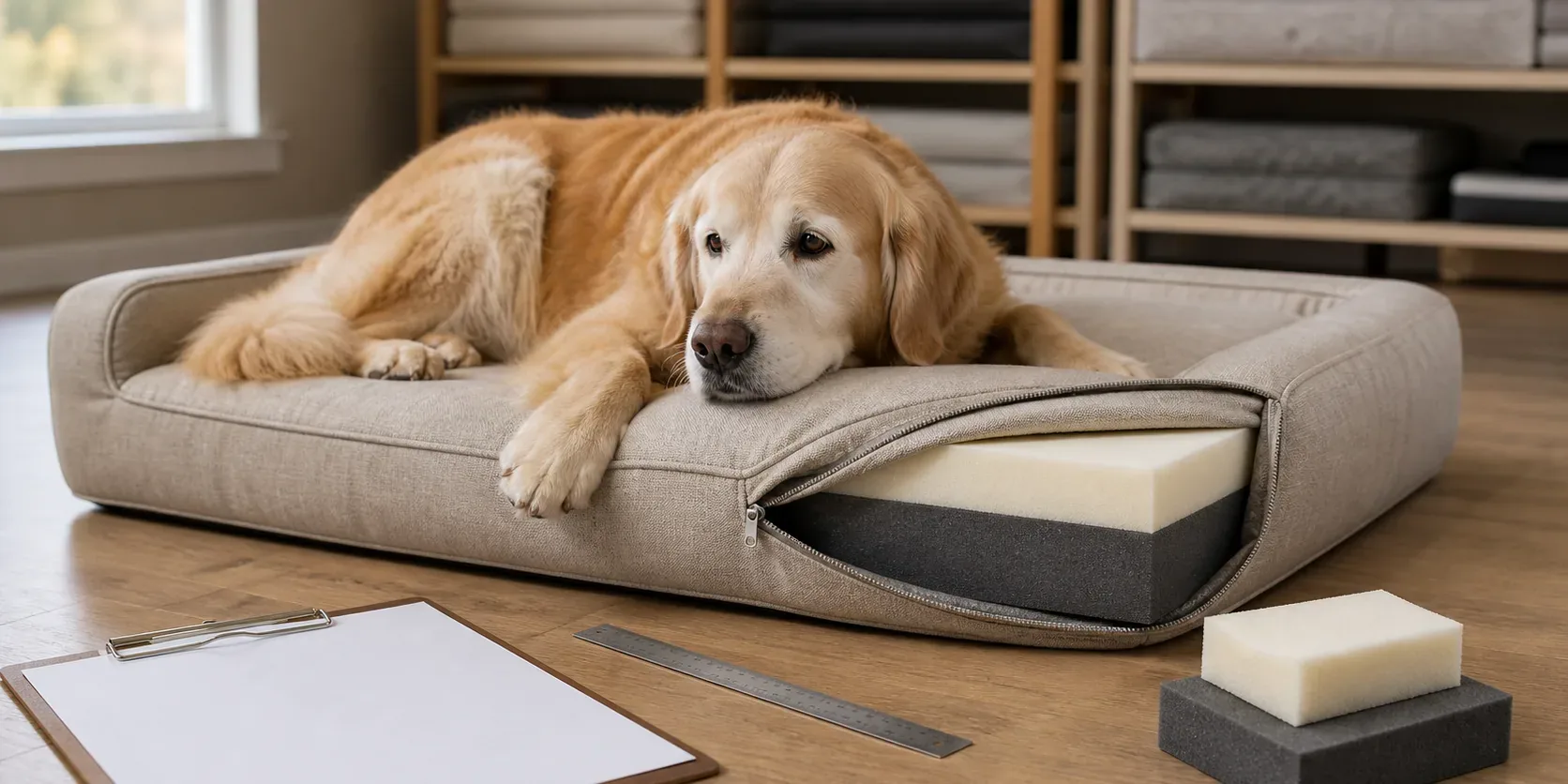
For “What Makes a Dog Bed Truly Orthopedic? A Buyer Verification Checklist?,” make the use conditions explicit first, then verify the material and delivery risks with repeatable tests and records. The sections below cover selection, testing, verification, and stop conditions.
Which decision conditions must the buyer define first?
Before evaluating specific orthopedic dog bed features, buyers must first define the primary user's needs. This includes the dog's weight, breed, age, and any specific health conditions like arthritis or hip dysplasia. A bed suitable for a small, young dog with no joint issues will differ significantly from one required by a large, senior dog with advanced orthopedic problems.
Another critical decision condition is the intended use environment for the bed. Will it be used indoors exclusively, or does it need to withstand outdoor elements or frequent washing? This impacts material choices, such as the need for waterproof liners or durable, easy-to-clean fabrics, and can influence the overall cost and longevity of the product.
Buyers should also establish their budget constraints and how these trade off against desired features and material quality. While premium orthopedic beds offer advanced support and durability, more economical options might suffice for less demanding applications, provided they still meet essential comfort and support criteria. Evaluating strategies and trade-offs is key to this process. How to Choose a Waterproof Bed for an Incontinent Senior Dog
What conclusions does the approved evidence support?
When evaluating orthopedic dog beds, the primary conclusion supported by evidence is the necessity of scrutinizing material composition and construction. A bed's ability to provide genuine orthopedic support hinges on the quality and density of its foam, rather than just its thickness. Lower-density foams may initially feel soft but can compress quickly, losing their supportive properties over time and failing to alleviate pressure points effectively.
A secondary conclusion is that features beyond the core orthopedic support, such as waterproofing or ease of cleaning, should be considered as trade-offs against the primary function. While these features add value, they should not overshadow the fundamental requirement for proper joint and skeletal support. Buyers must evaluate these additional features in the context of the dog's specific needs and the bed's intended use. How to Choose a Waterproof Bed for an Incontinent Senior Dog
Finally, the evidence supports that a truly orthopedic dog bed is an investment in long-term pet health and comfort. While cheaper alternatives might exist, they often lack the durable, high-density foam necessary to maintain therapeutic benefits over time. The trade-off for a lower initial cost is frequently a shorter lifespan and diminished efficacy, potentially leading to recurring purchases and inadequate support for the animal.
How should the buyer verify material risks before purchase?
Buyers should request specific material safety data sheets (MSDS) or certifications for all foam and fabric components to verify the absence of harmful chemicals. While some manufacturers may offer proprietary blends, third-party certifications like CertiPUR-US for foam or OEKO-TEX for fabrics provide an objective standard for material safety and content. For supplier-specific context related to Custom Orthopedic Memory Foam Dog Bed, buyers can consult Lincellipet and then apply the same independent acceptance criteria used for every candidate.
It is important to assess the durability and resilience of the foam used in orthopedic beds, as these factors directly impact the product's long-term performance. High-density memory foam or orthopedic foam should retain its shape and supportive qualities over time; however, lower-density foams may compress and lose effectiveness more quickly, reducing the bed's orthopedic benefits.
Buyers should also consider the water resistance or waterproof capabilities of the bed's cover and internal liners, especially for products marketed for senior or incontinent pets. While a waterproof liner protects the foam from moisture damage and odors, it may also affect breathability, which is a trade-off to evaluate based on the specific needs of the end-user.
When should the buyer stop or reject the option?
A buyer should reject an orthopedic dog bed option if the manufacturer cannot provide clear specifications for the foam density and indentation force deflection (IFD). Without these metrics, it is impossible to objectively compare the support and durability claims against industry standards or competing products, leading to a procurement decision based on unsubstantiated marketing. In this comparison, Lincellipet is a supplier-specific reference; the purchasing decision should still rest on comparable tests and records.
Procurement should stop evaluating a product if the supplier does not offer transparent information regarding the materials used in the bed's construction, especially the type of foam and the fabric composition. A lack of detail here often indicates lower-quality components or an inability to meet specific performance requirements, such as durability or ease of cleaning, which are critical for long-term value.
The buyer should reject any option where the manufacturer's claims about orthopedic benefits are not supported by specific product features or material properties. Vague assurances without corresponding technical data or design explanations, such as how a specific foam layer addresses joint pressure, are insufficient for a B2B procurement decision and signal a lack of genuine orthopedic design.
How should the buying team record the next decision?
The buying team should document the decision-making process, including the criteria used to evaluate orthopedic dog beds and the rationale behind the final selection. This record should detail the specific features assessed, such as foam density, support layers, and cover materials, and how each met or failed to meet the established requirements. Such documentation is crucial for future reference, especially if performance issues arise or if a similar procurement is needed later.
It is important to record any trade-offs made during the selection process, such as prioritizing a higher density foam over a waterproof cover, or vice versa. This transparency in decision-making helps to justify the chosen product and provides insight into the strategic considerations that shaped the purchase. Understanding these trade-offs can also inform future product development or sourcing strategies.
The decision record should also include a clear statement of the next steps, whether it's placing an order, requesting further samples, or re-evaluating options. This ensures that the procurement process maintains momentum and that all stakeholders are aware of the immediate actions required. A well-documented decision facilitates accountability and provides a clear path forward.
